Our commitment

Diving that gives something back

We make our living from the ocean. Looking after it shouldn't be an extra — it should simply be part of how we dive.

First PADI Eco Center in Phuket Green Fins member PADI AWARE BluePass member Carbon-compensated trips

It starts with how we dive

Protecting a reef is easier when you don't damage it in the first place.

For us, conservation starts with the ordinary dive day: good buoyancy, good trim, no touching, no poking, no chasing, no feeding and proper finning techniques. Our guides lead by example, and responsible diving is part of every dive briefing.

Three ways we protect the reef

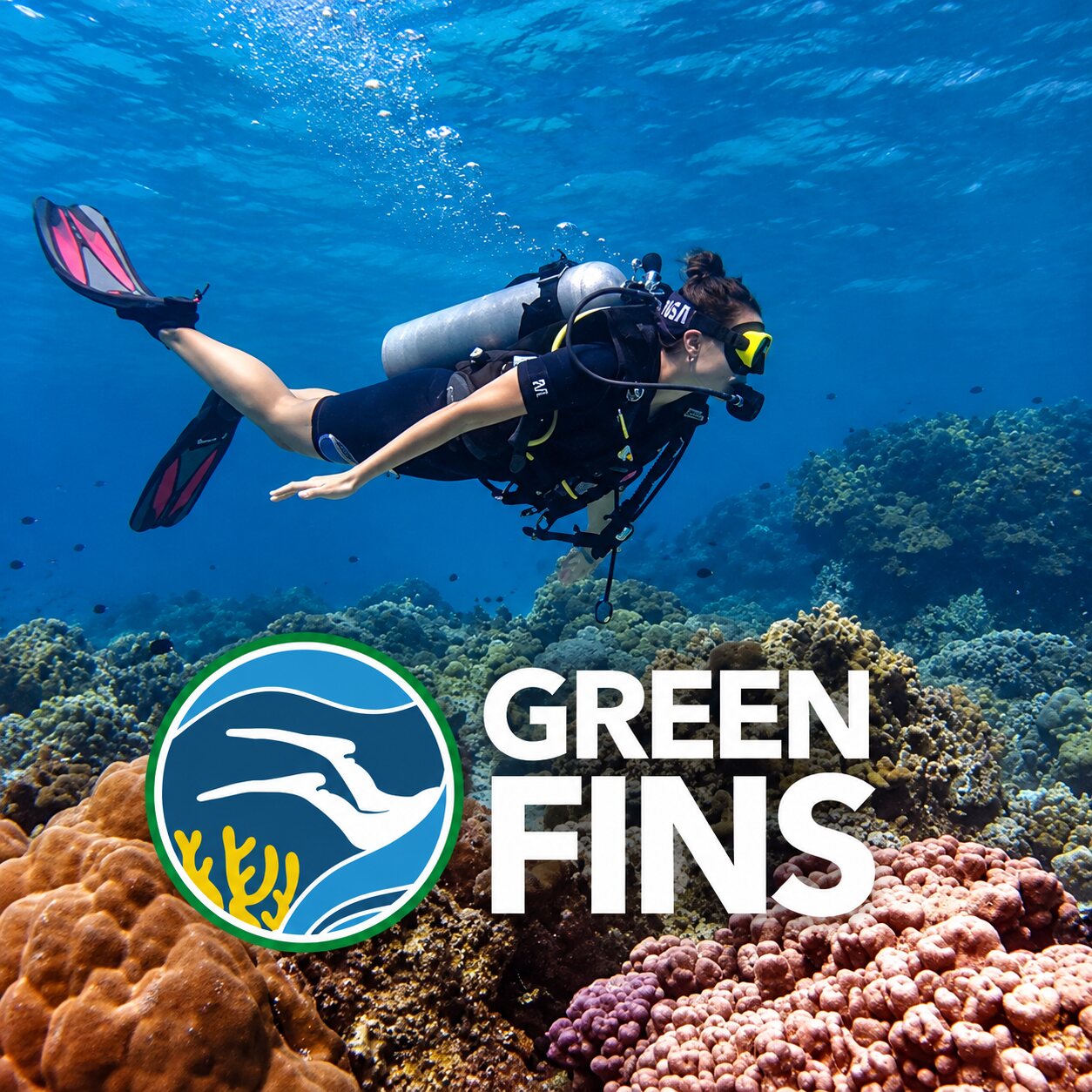
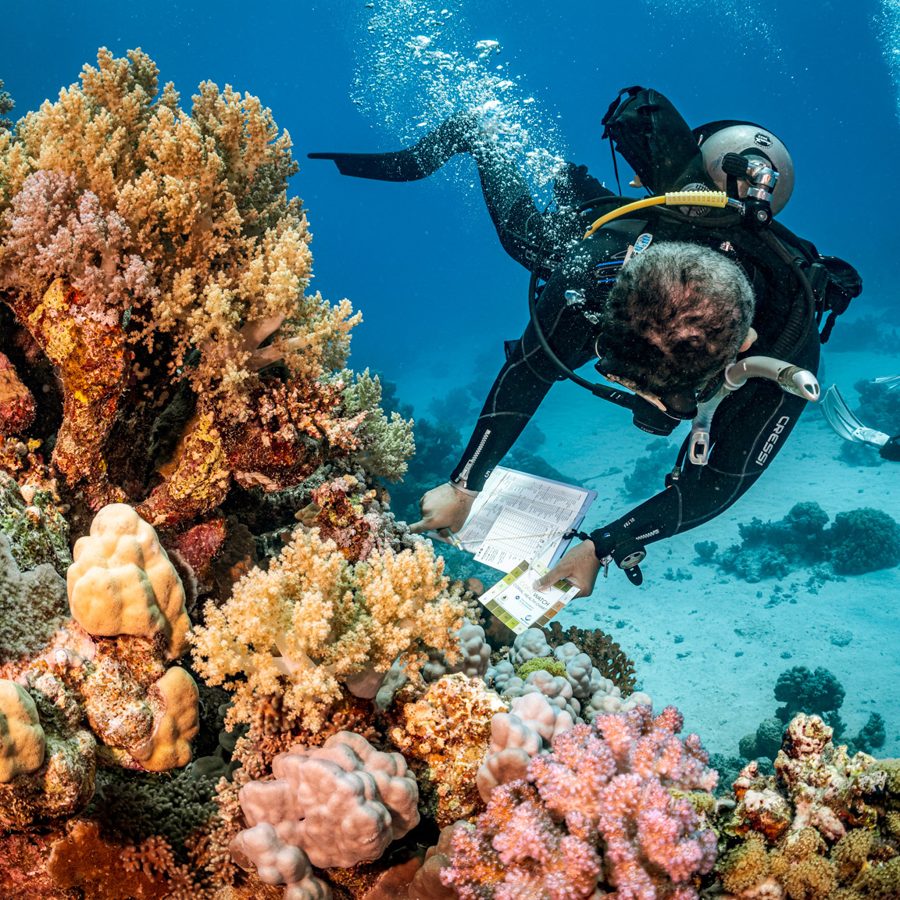
A diver in good trim over a coral reef, the Green Fins mark in the corner

A hands-off code of conduct

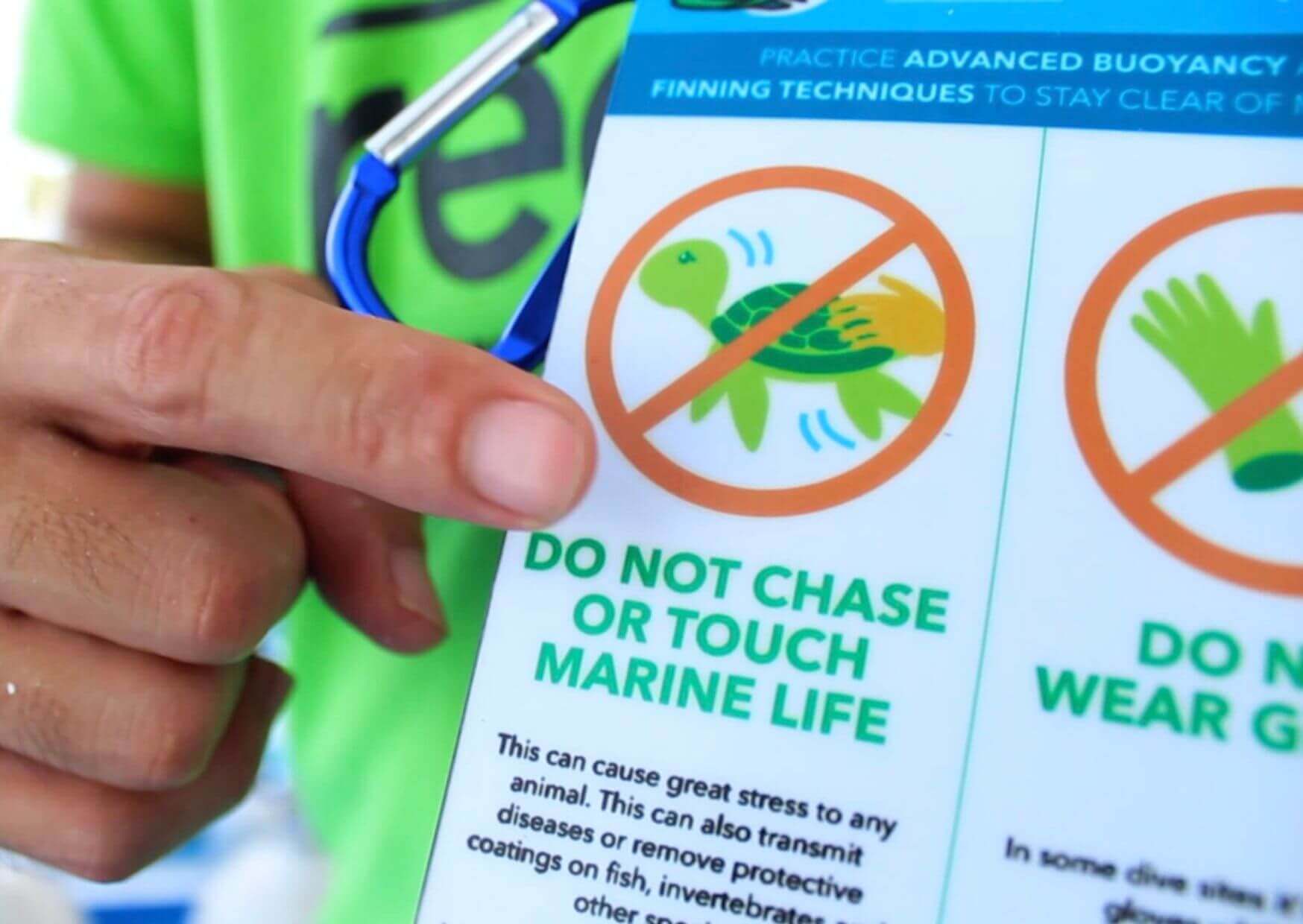
The Green Fins Code of Conduct guides how we behave underwater — and what we ask from everyone who dives with us. We take pictures and leave only bubbles behind, without interfering with the reef or its inhabitants.

GuideRead
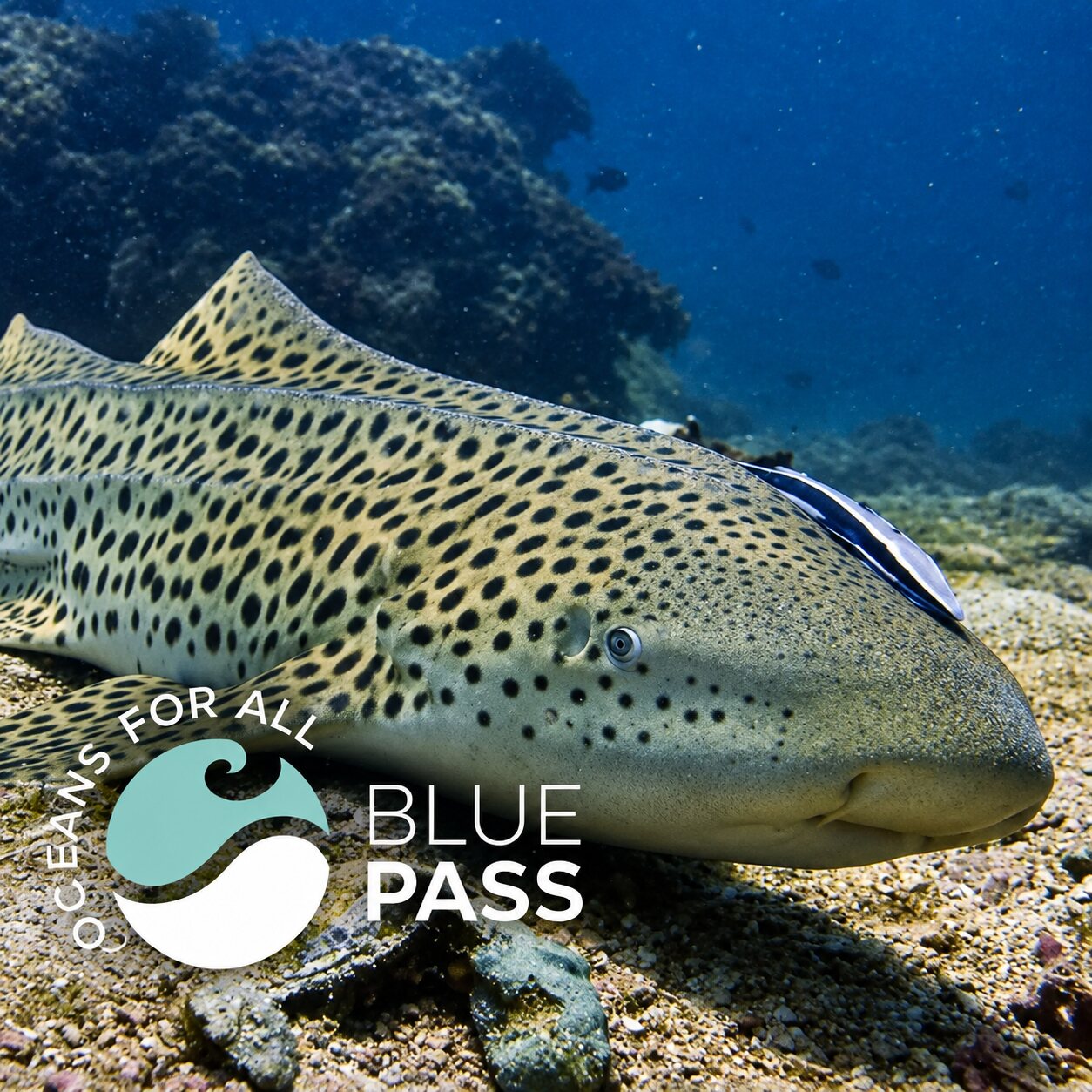
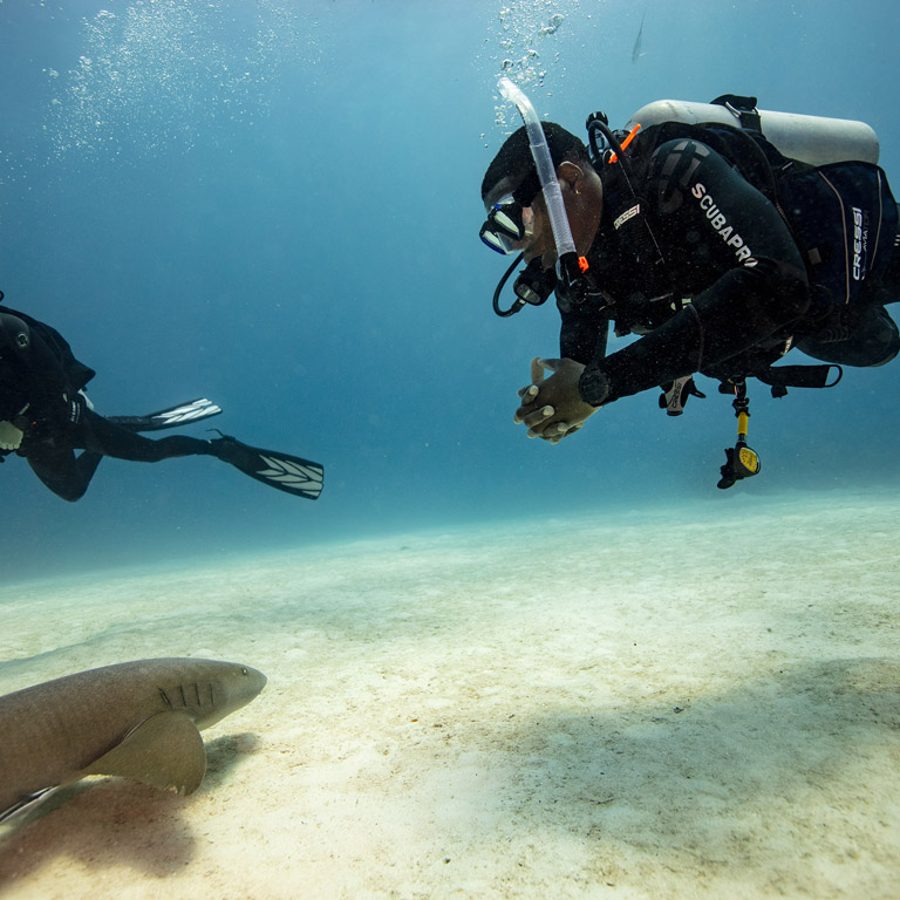
A leopard shark resting on the sand, the Oceans For All BluePass mark in the corner

Reduce what we can. Compensate what we can't.

We reduce our footprint with solar power instead of a noisy diesel generator, refillable drinking water, paper food boxes and a repair-before-replace approach — then compensate what we can't avoid.

GuideRead
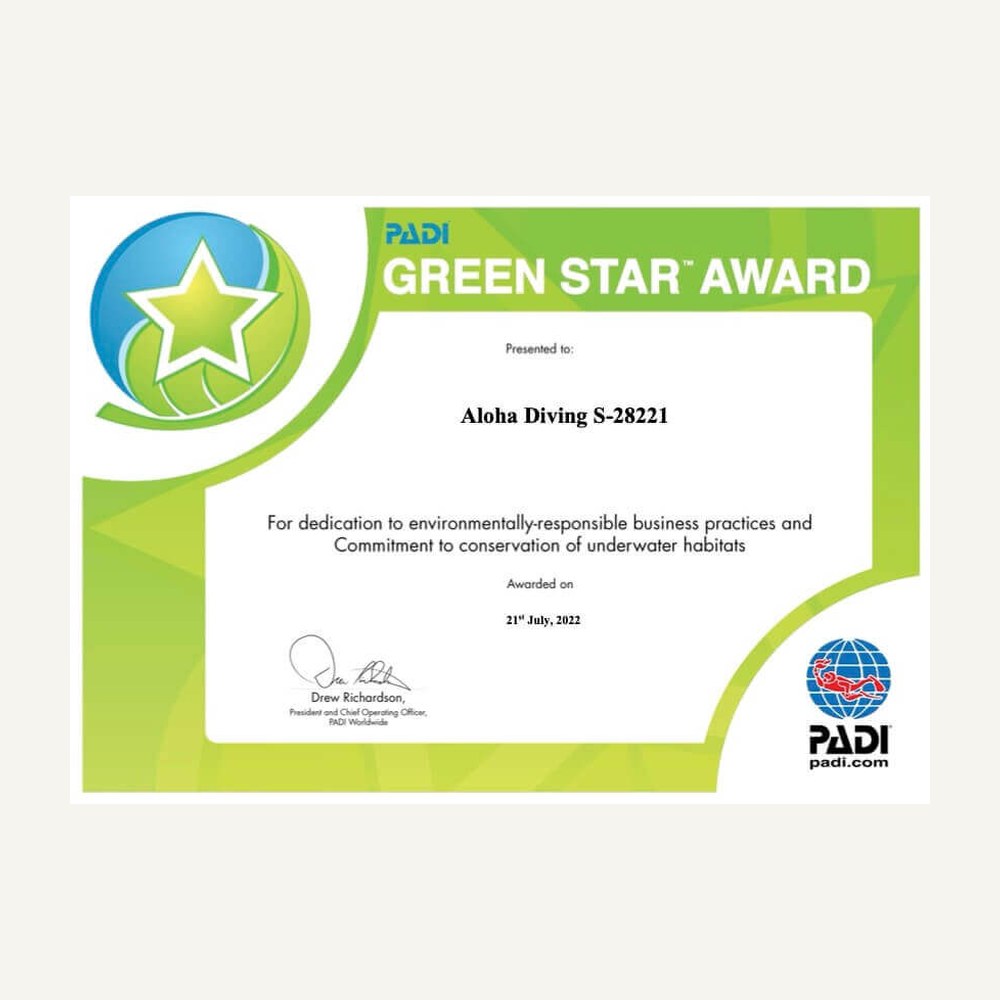
PADI Green Star Award certificate presented to Aloha Diving S-28221

Standards, not stickers

PADI Eco Center and Green Fins standards shape how we dive and operate every day. Through Adopt the Blue, we look after dive sites along around half of an island's coastline.

GuideRead

Better divers are better for the reef.

Not every conservation course has “ECO” in its name. Some teach you about the ocean and the problems it faces. Others simply teach you to move through it with more control and less impact.

From Peak Performance Buoyancy and Wreck Diver to Dive Against Debris and the AWARE specialties, you can build better diving skills or learn more about the environment you're diving in.

A diver hovering motionless above the sand (PADI)PADI
Specialty

Peak Performance Buoyancy

The PADI Peak Performance Buoyancy specialty course takes 1 day and includes 1 boat trip with 2 training…

1 day฿5,900
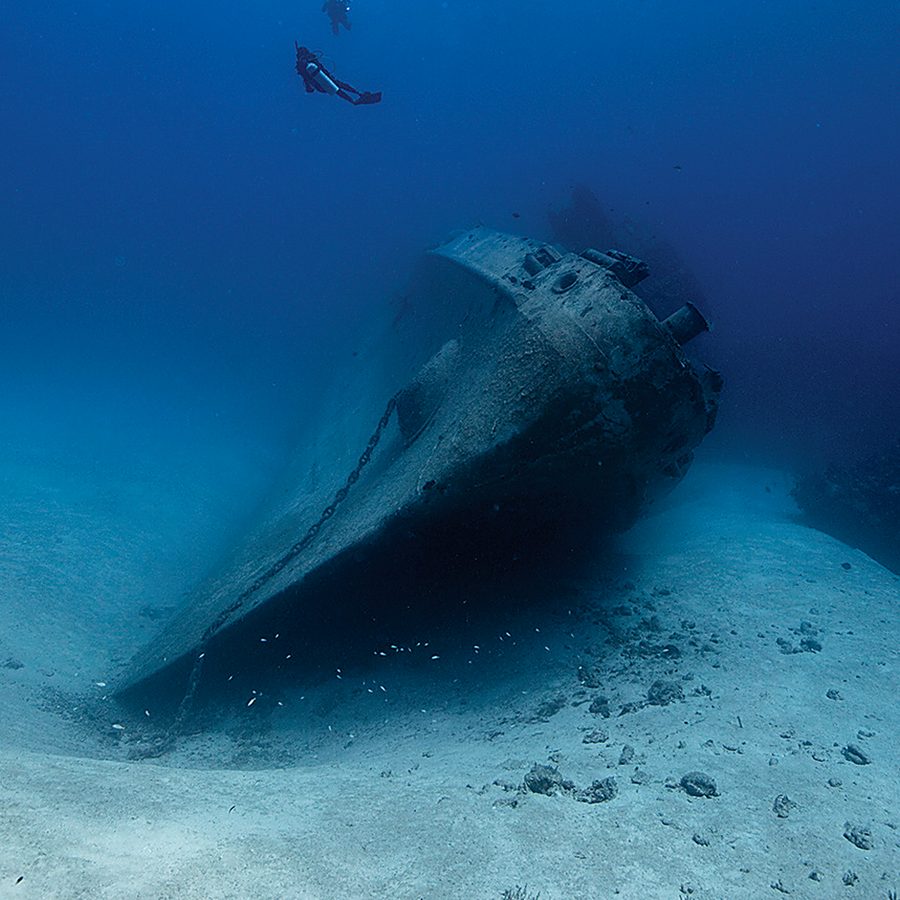
A diver over the hull of a wreck on the sea floor (PADI)PADI
Specialty

Wreck Diver

The PADI Wreck Diver specialty course takes 2 days and includes 2 boat trips with 4 training dives at…

2 days฿9,900
A hand in a Green Fins shirt holding a laminated diver code-of-conduct card, the panel reading do not chase or touch marine life facing the cameraPADI
Conservation

AWARE Specialty

The bigger picture of ocean conservation. A dry course, no diving needed.

Half day฿4,900
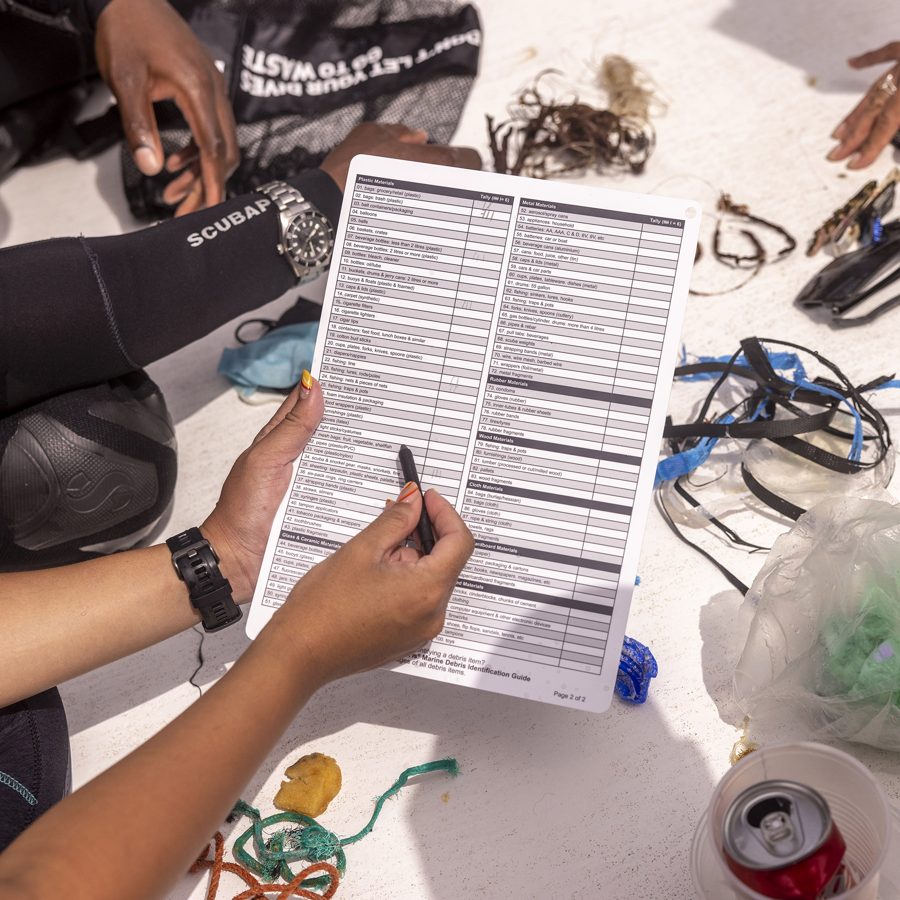
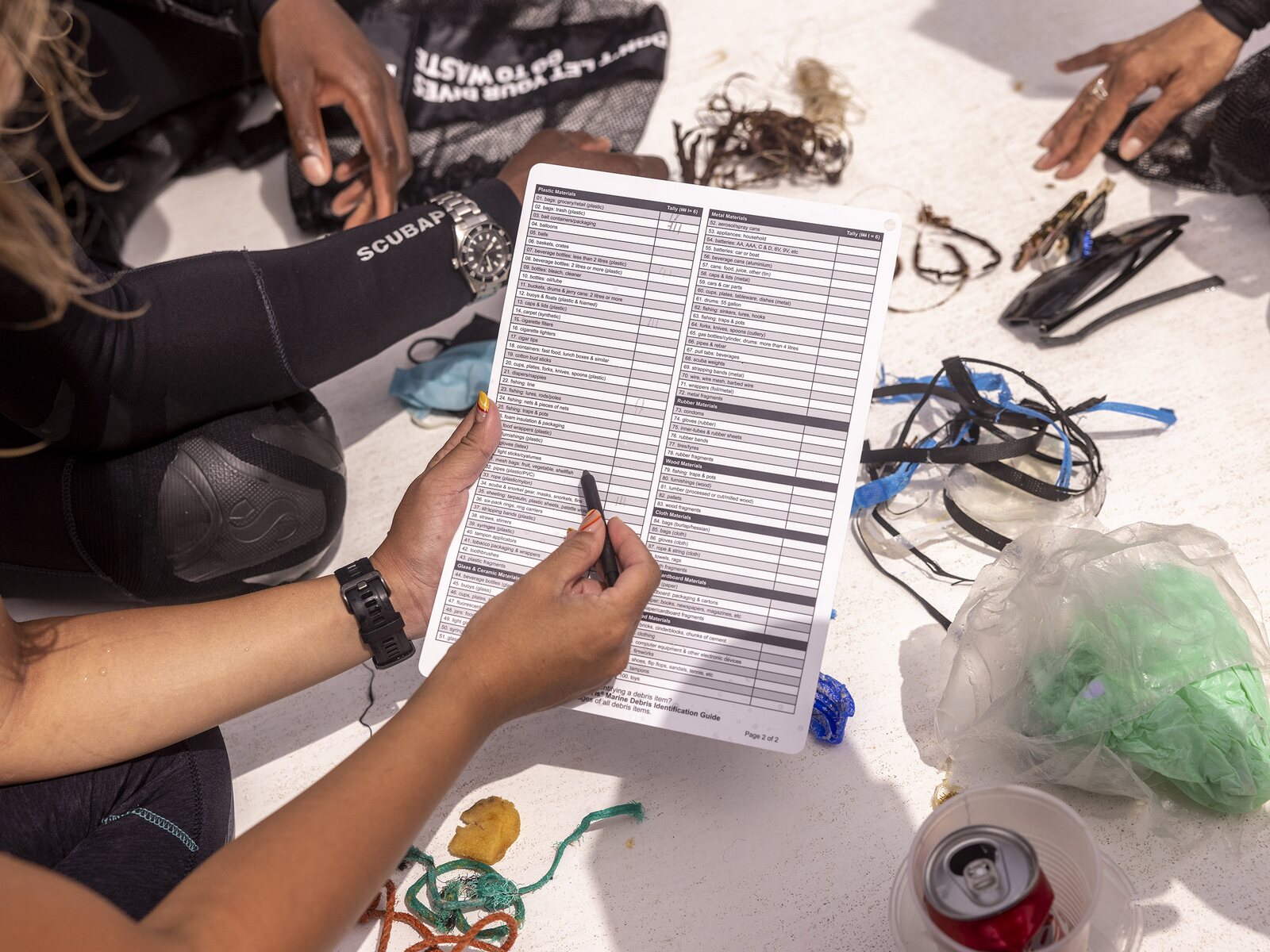
Divers on a beach filling in a Dive Against Debris survey sheet beside the fishing line and net they collected

Small actions, every dive.

You don't need a clean-up dive to clean up.

Sometimes it's a beach clean-up or a Dive Against Debris survey. Sometimes it's picking up a fishing line on an ordinary dive, reporting a damaged reef, helping with a restoration project — or simply having good enough buoyancy not to become part of the problem.

The best clean-up dive is the one where we find nothing. It hasn't happened yet.

The ocean gives us enough.

So we try to return the favour.

Chat with us