
 English
 Deutsch
 中文
中文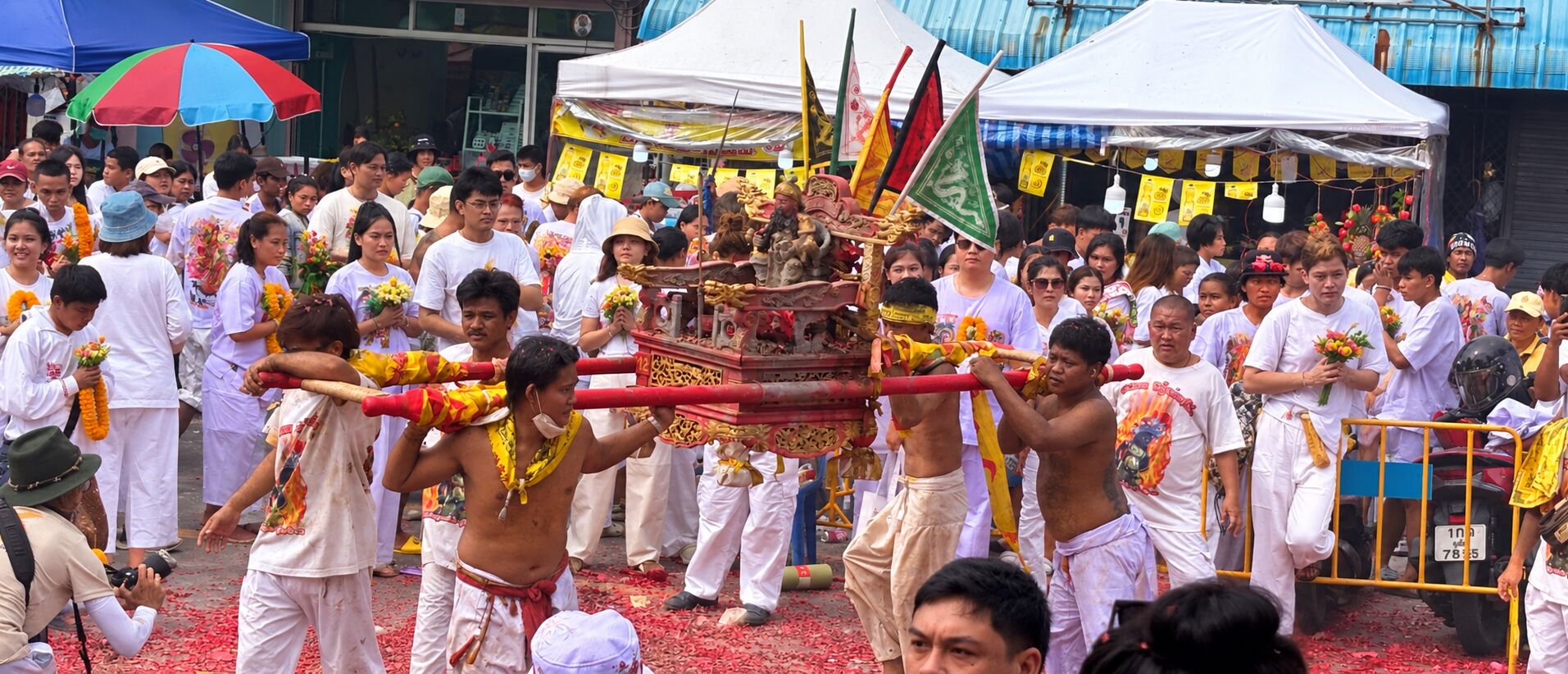
There's more to Phuket than the beach.
A little local knowledge for your time on the island — from getting around and everyday essentials to Phuket's culture, food, beaches and places worth exploring.
A few useful things to know while you're here.
- Country
- Thailand
- Region
- Southern Thailand, Andaman Sea
- Island size
- Approx. 543 km²
- Population
- Approx. 430,000 registered residents
- Language
- Thai; English widely used in tourist areas
- Religion
- Predominantly Buddhist, with a significant Muslim community and strong Chinese traditions
- Airport
- Phuket International Airport (HKT)
- Mobile & internet
- Widely available; tourist SIMs and eSIMs are easy to find
- Currency
- Thai Baht (THB / ฿)
- Time zone
- UTC +7, no daylight saving
- Electricity
- 220 V / 50 Hz
- Plugs
- Two round pins and flat-pin sockets; universal adaptor recommended
- Driving
- Left-hand side
- International code
- 66
- Tourist Police
- 1155
- Emergency numbers
- 191 (Police) / 1669 (Medical emergency)
QR payment is everywhere in Thailand, but requires a Thai bank account. For visitors, cash is essential — cards are mostly limited to hotels, larger restaurants and shops.
Grab and Bolt are widely used in Phuket. Both apps show the fare before you book, so there are no surprises.
Where cultures meet – the many sides of Phuket
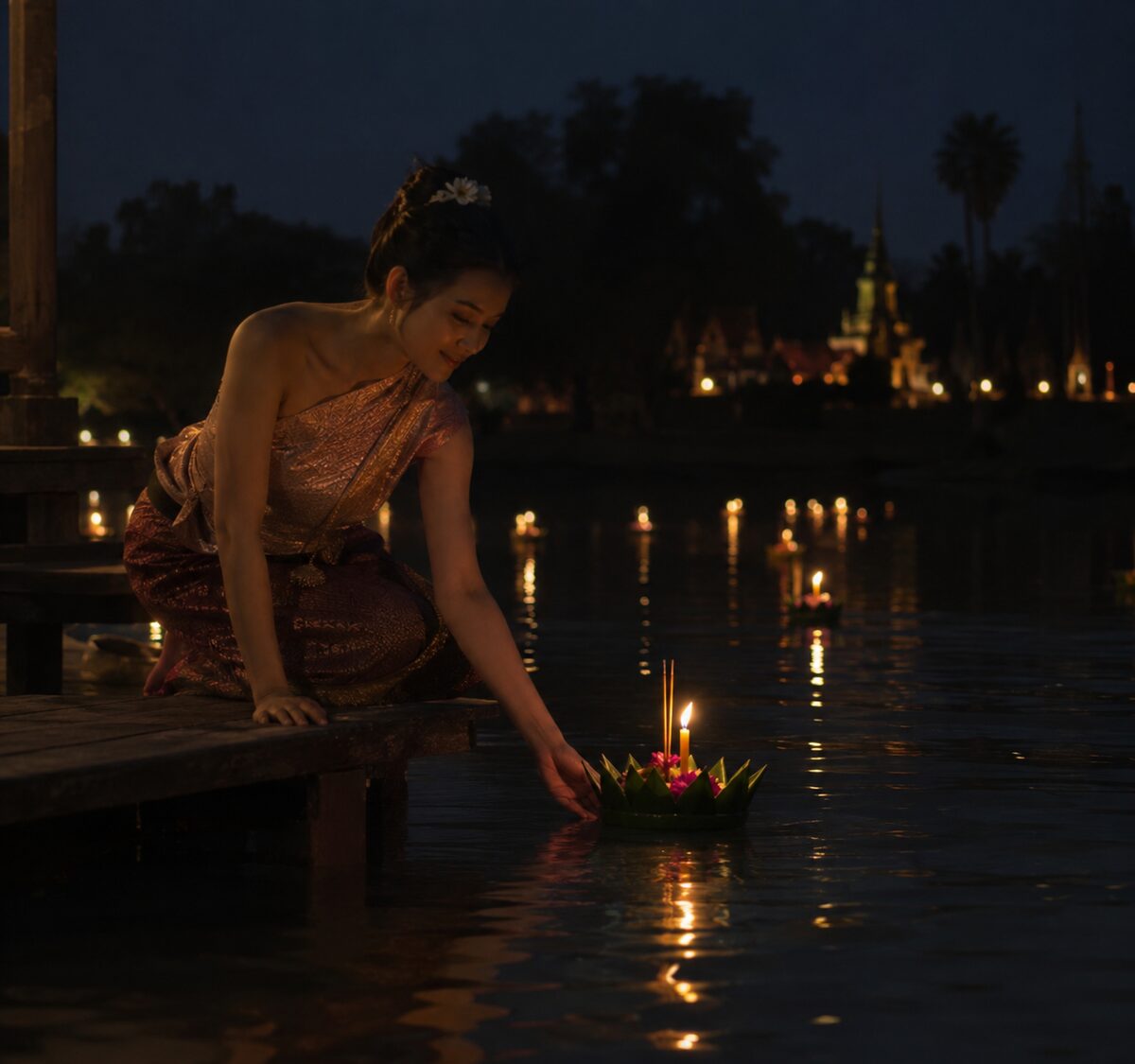
Phuket has been shaped by people arriving from different directions for centuries. Its position on old trading routes brought merchants and settlers from across Asia and beyond, while the tin-mining boom drew large numbers of Hokkien Chinese to the island. Thai, Chinese, Muslim and Peranakan traditions gradually became part of the Phuket we know today.
You can still see — and taste — that mixture everywhere. Walk through Phuket Old Town and you'll find colourful Sino-European shophouses, Chinese shrines and Buddhist temples not far from mosques. Local food carries Thai, Chinese and Malay influences, while festivals such as Chinese New Year and Phuket's famous Vegetarian Festival remain very much part of island life.
Old Town is probably the easiest place to start. Wander rather than rush: look into the shrines, try something you don't recognise, and if you want a little more context, the Thai Hua Museum tells much of the story of Phuket's Chinese community and tin-mining past.
Want to explore further?
For a much deeper dive into Phuket's history, food, neighbourhoods and local culture, have a look at Phuket 101 →
Beaches and beyond
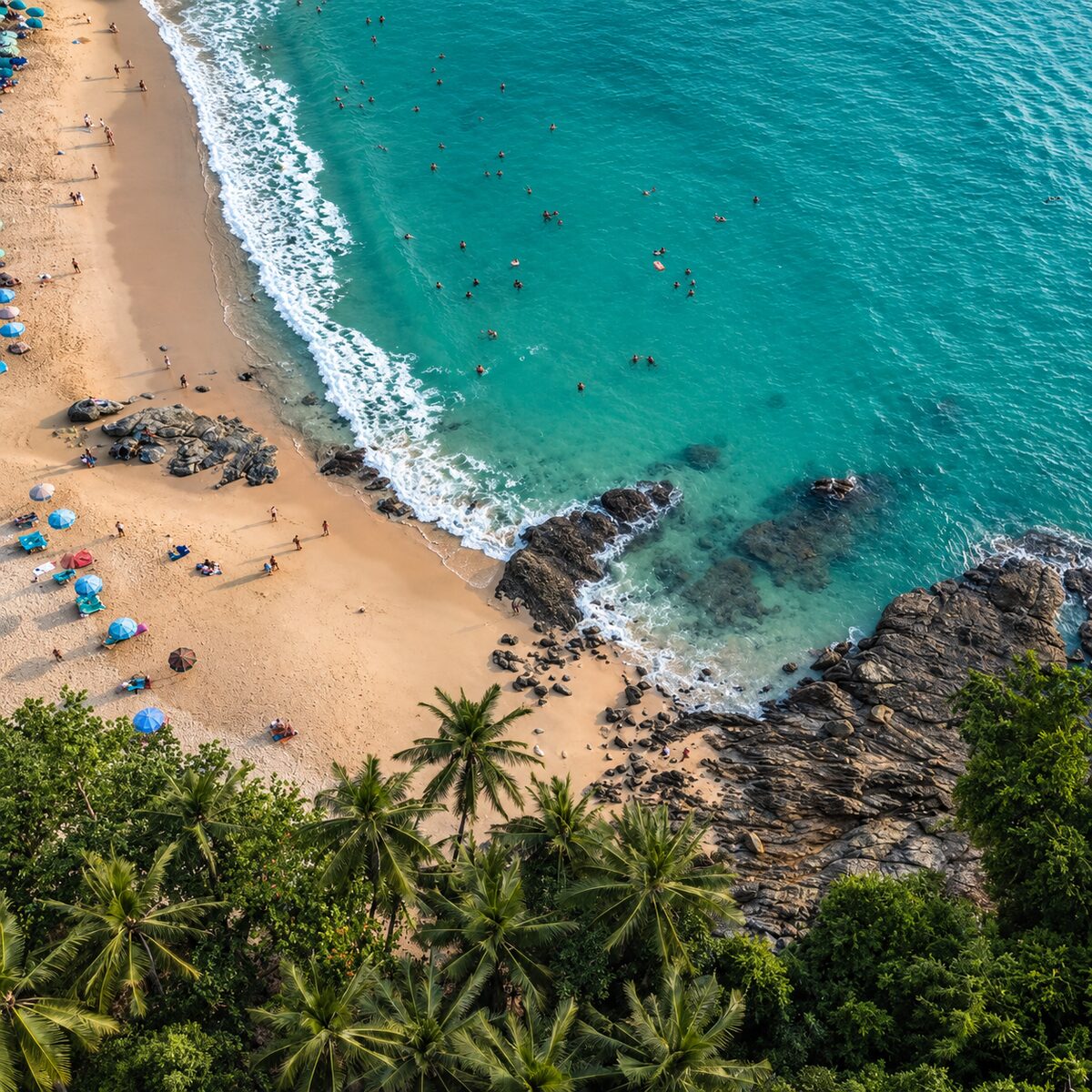
There is plenty of Phuket left to explore once the wetsuit comes off. The west coast is lined with beaches ranging from busy resort towns to small hidden bays, while inland and around the southern headlands you'll find viewpoints, jungle, waterfalls and plenty of places worth getting deliberately sidetracked.
Which one is worth visiting depends very much on what you're looking for — swimming, snorkelling, sunset, somewhere quiet or somewhere with a little more life. It also depends on the season: the west-coast beaches can be very different during the southwest monsoon (May – October), and red flags should always be taken seriously. Phuket 101 has done a far better job of cataloguing them than we're ever going to attempt here.
What our guests say
5.0 518 Google reviews
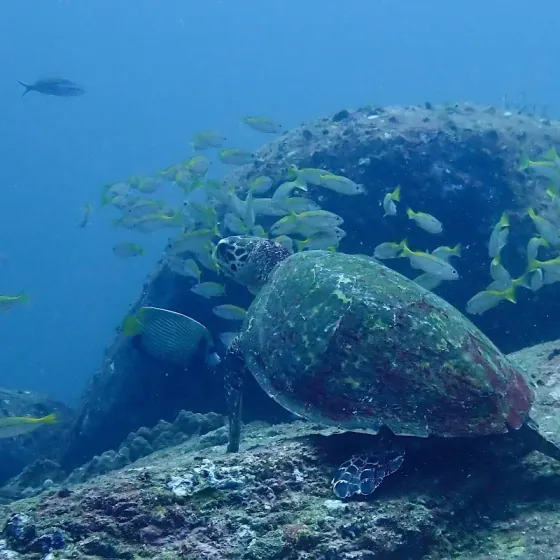
We live here.
Got free time and don't know what to do with it? Ask us. We'll happily point you somewhere we think is worth going.