
 English
 Deutsch
 中文
中文Wind and Sea State
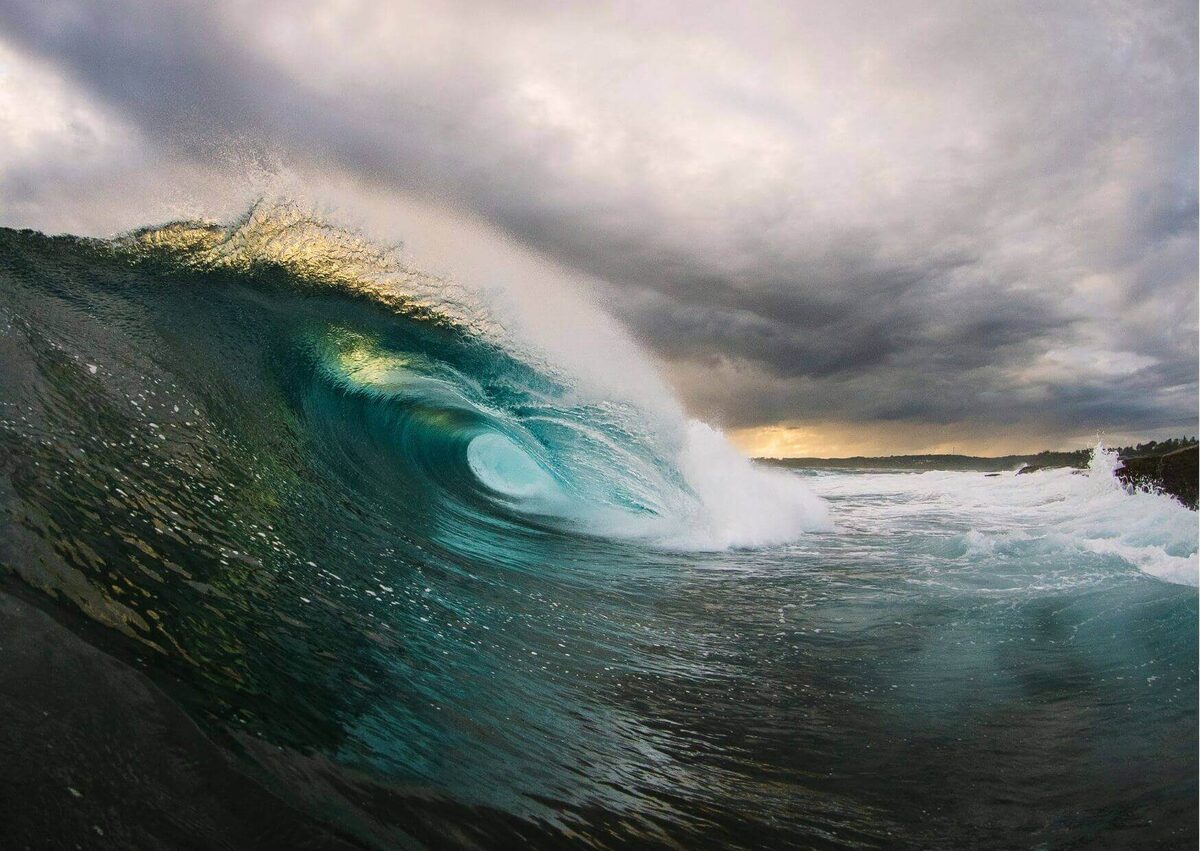
Wind and waves dictate sometimes where we can dive or where not. In this article, you will get a better understanding of wind and sea states. When I check the forecast I check first the wind speed and then the rain forecast. The safety of the dive vessel and divers on board has the highest priority. Better safe than sorry — we use it as a guideline when there is a doubt in the forecast.
Wind and the different seasons in Phuket
Dry Season
The dry season begins in December and usually lasts until March. The northeast monsoon draws cool, dry air from the Asian continent resulting in a slight drop in temperature. This is the high season for tourism in Phuket, when the climate is at its best, characterised by gentle breezes, calm seas and clear blue skies. It is also the coolest time of year.
Transitional Periods
The transitional periods last a month or so. During these periods the weather is often hard to predict. The period before the rainy season, around April – May, is the hottest time of year. There may be a lot of rain or none at all. The October – November transition is cooler and usually quite wet. These are the months we sometimes have to cancel diving activities due to unfavourable conditions.
Rainy Season
The rainy season begins in June and lasts until October. When people talk about the monsoon season, they are referring to the southwest monsoon period, which is the rainy season. The weather pattern is quite predictable with 3 days of heavy rain and strong wind followed by many sunny days with calm sea. The strong winds bring warm moist air from the Indian Ocean and plenty of rain. This is Phuket’s low season.
How is the wind affecting scuba diving?
With west or east wind, the boat is rolling when travelling to Racha Islands and pitching when travelling to all other dive sites. When the boat pitches, passengers will feel more comfortable during the ride.
Two wind directions and two main seasons
In the dry season with wind from the east, waves can’t build up that high as the mainland is not that far away. The sea state is mostly between calm and slight, rarely moderate and more. In the rainy season when the wind is blowing from the west and southwest, waves can build up quite high as the African continent is far. Therefore wind has time to build waves. What makes surfers happy at the west coast beaches (Karon, Kata, Patong) is for scuba diving in Phuket a limiting factor. Unpredictable thundershowers in the rainy season are the biggest threat for boats. Sea state there can be rough. We operate up to moderate sea state. Forecasts are not that accurate in the tropics. Therefore the final decision on which dive site will be dived can only be taken on short notice, sometimes in the morning of the trip. But when we are in doubt we cancel a dive trip free of charge for your comfort and safety.
Why is the sea sometimes “choppy”?
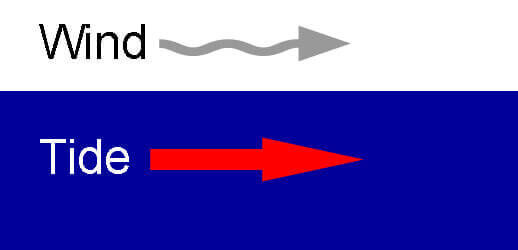
How we categorise wave height with the table from the World Meteorological Organization
| WMO Sea State Code | Wave height | Characteristics |
|---|---|---|
| 0 | 0 metres (0 ft) | Calm (glassy) |
| 1 | 0 to 0.1 metres (0.00 to 0.33 ft) | Calm (rippled) |
| 2 | 0.1 to 0.5 metres (3.9 in to 1 ft 7.7 in) | Smooth (wavelets) |
| 3 | 0.5 to 1.25 metres (1 ft 8 in to 4 ft 1 in) | Slight |
| 4 | 1.25 to 2.5 metres (4 ft 1 in to 8 ft 2 in) | Moderate |
| We stop boat operations from this sea state | ||
| 5 | 2.5 to 4 metres (8 ft 2 in to 13 ft 1 in) | Rough |
| 6 | 4 to 6 metres (13 to 20 ft) | Very rough |
| 7 | 6 to 9 metres (20 to 30 ft) | High |
| 8 | 9 to 14 metres (30 to 46 ft) | Very high |
| 9 | Over 14 metres (46 ft) | Phenomenal |
Wind speed in the Beaufort table
| Beaufort number | Description | Wind speed | Wave height | Sea conditions |
|---|---|---|---|---|
| 0 | Calm | < 1 knot < 2 km/h < 0.5 m/s | 0 ft (0 m) | Sea like a mirror |
| 1 | Light air | 1–3 knots, 2–5 km/h | 0–1 ft (0–0.3 m) | Ripples with appearance of scales are formed, without foam crests |
| 2 | Light breeze | 4–6 knots, 6–11 km/h | 1–2 ft (0.3–0.6 m) | Small wavelets still short but more pronounced; crests have a glassy appearance but do not break |
| 3 | Gentle breeze | 7–10 knots, 12–19 km/h | 2–4 ft (0.6–1.2 m) | Large wavelets; crests begin to break; foam of glassy appearance; perhaps scattered white horses |
| 4 | Moderate breeze | 11–16 knots, 20–28 km/h | 3.5–6 ft (1-2m) | Small waves becoming longer; fairly frequent white horses |
| 5 | Fresh breeze | 17–21 knots, 29–38 km/h | 6–10 ft (2-3m) | Moderate waves taking a more pronounced long form; many white horses are formed; chance of some spray |
| Boat operation is stopped with higher wind speeds | ||||
| 6 | Strong breeze | 22–27 knots, 39–49 km/h | 9–13 ft (3-4m) | Large waves begin to form; the white foam crests are more extensive everywhere; probably some spray |
| 7 | High wind, moderate gale, near gale | 28–33 knots, 50–61 km/h | 13–19 ft (4-5.5m) | Sea heaps up and white foam from breaking waves begins to be blown in streaks along the direction of the wind; spindrift begins to be seen |
| 8 | Gale, fresh gale | 34–40 knots, 62–74 km/h | 18–25 ft (5.5-7.5m) | Moderately high waves of greater length; edges of crests break into spindrift; foam is blown in well-marked streaks along the direction of the wind |
| 9 | Strong/severe gale | 41–47 knots, 75–88 km/h | 23–32 ft (7-10m) | High waves; dense streaks of foam along the direction of the wind; sea begins to roll; spray affects visibility |
| 10 | Storm, whole gale | 48–55 knots, 89–102 km/h | 29–41 ft (9-12.5m) | Very high waves with long overhanging crests; resulting foam in great patches is blown in dense white streaks along the direction of the wind; on the whole the surface of the sea takes on a white appearance; rolling of the sea becomes heavy; visibility affected |
| 11 | Violent storm | 56–63 knots, 103–117 km/h | 37–52 ft (11.5-16m) | Exceptionally high waves; small- and medium-sized ships might be for a long time lost to view behind the waves; sea is covered with long white patches of foam; everywhere the edges of the wave crests are blown into foam; visibility affected |
| 12 | Hurricane force | ≥ 64 knots | ≥ 46 ft | The air is filled with foam and spray; sea is completely white with driving spray; visibility very seriously affected |
Have we sparked your interest in learning more about wind and sea states? As a Divemaster, you will learn to assess the weather correctly to ensure a good diving experience. Learn more about the Divemaster Training with Aloha Diving here.
Related posts
Ensuring Clean Compressed Air for Safe Scuba Diving
What goes into making sure the air in your scuba tank is clean and safe to breathe.
Ocean Currents and Tidal Currents
How ocean and tidal currents work — and what they mean for divers.
Phuket Diving Industry
A closer look at how Phuket’s diving industry works behind the scenes.
Come dive with us.
We still plan every trip around small groups and calm water.