0 m
−0 m
Dive Site Guide

King Cruiser

Big schools, hunting predators and soft corals taking over the wreck.

Boat ride 2 h 15 minDepth 18–35 mVisibility 5–20 mType Wreck
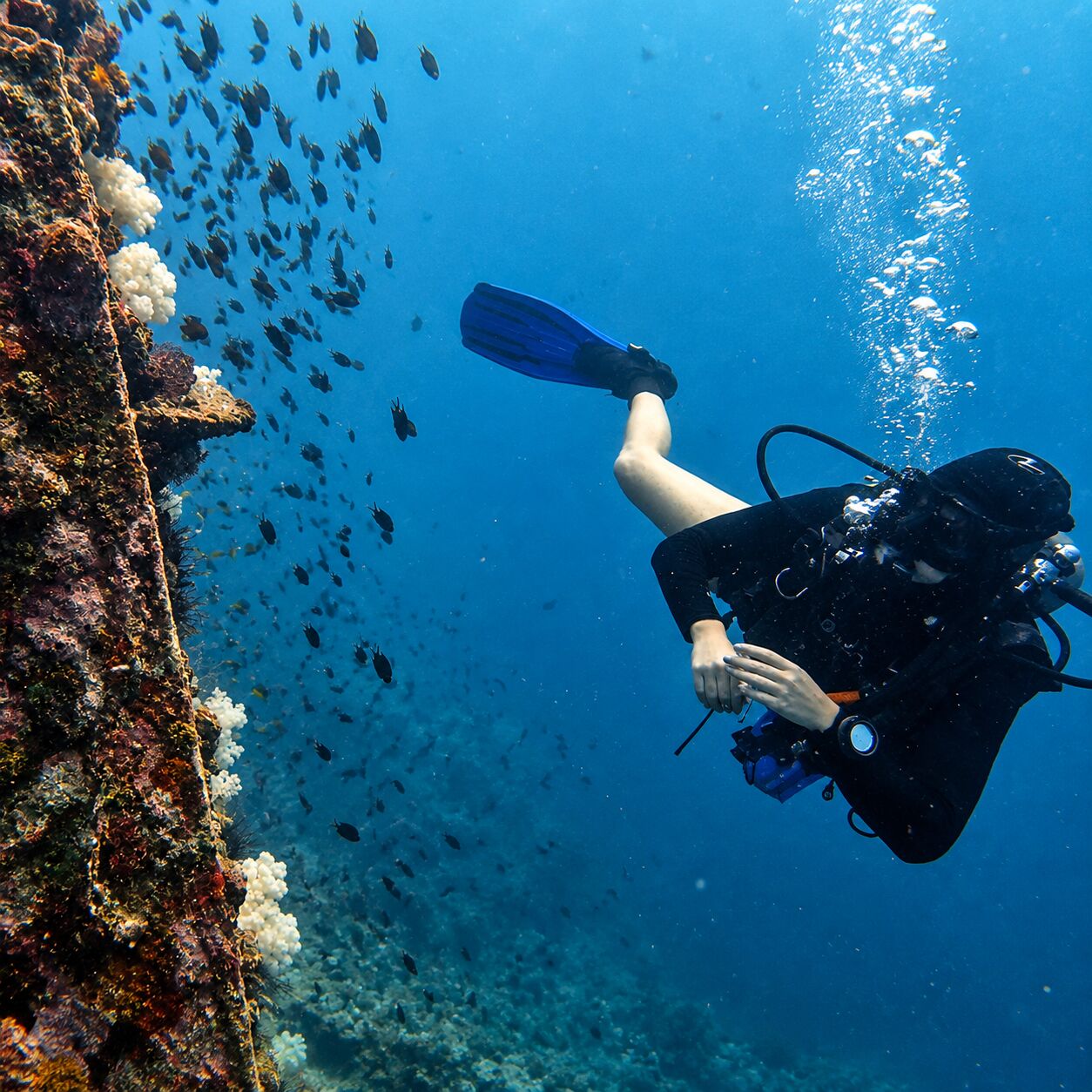
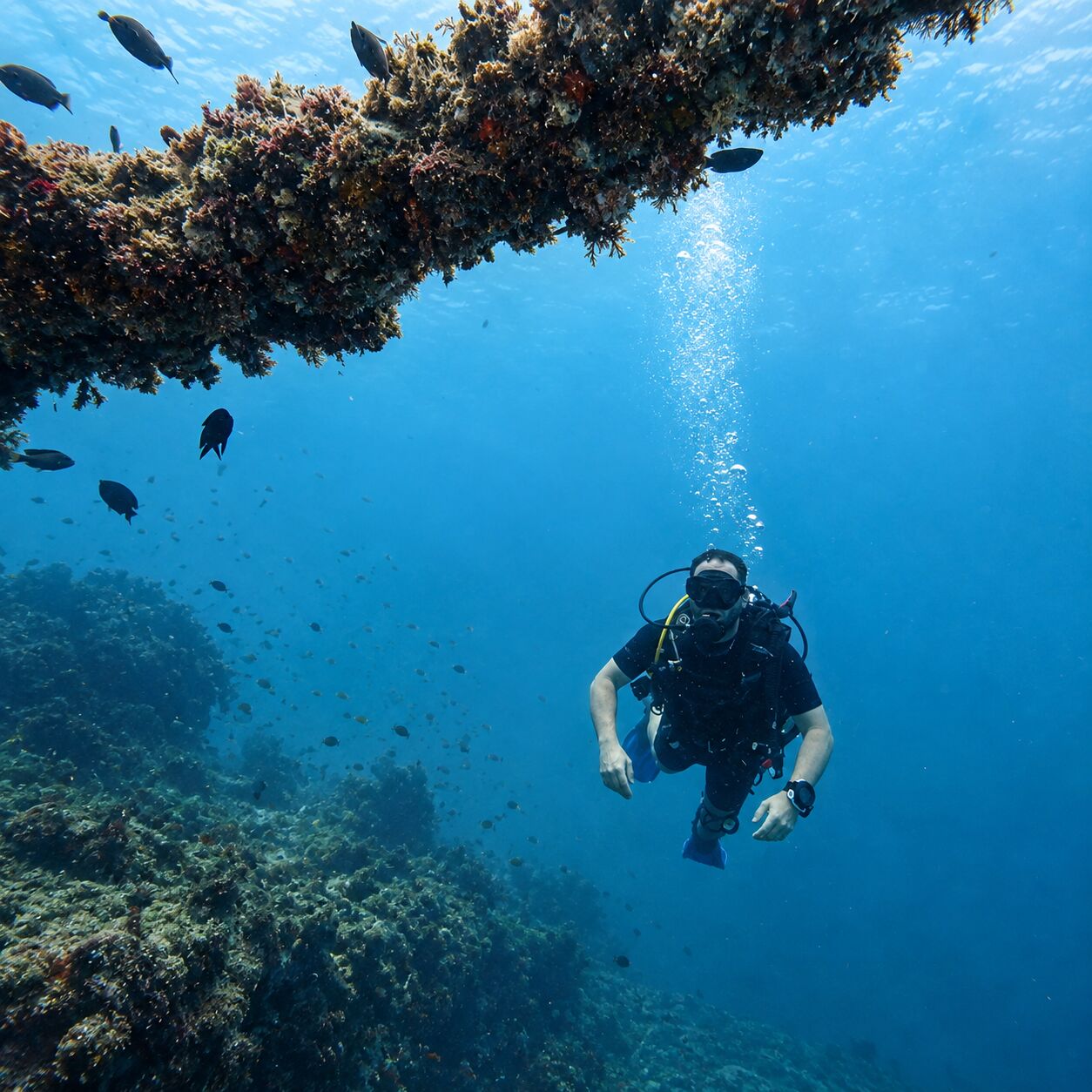
Divers on the King Cruiser wreck

King Cruiser

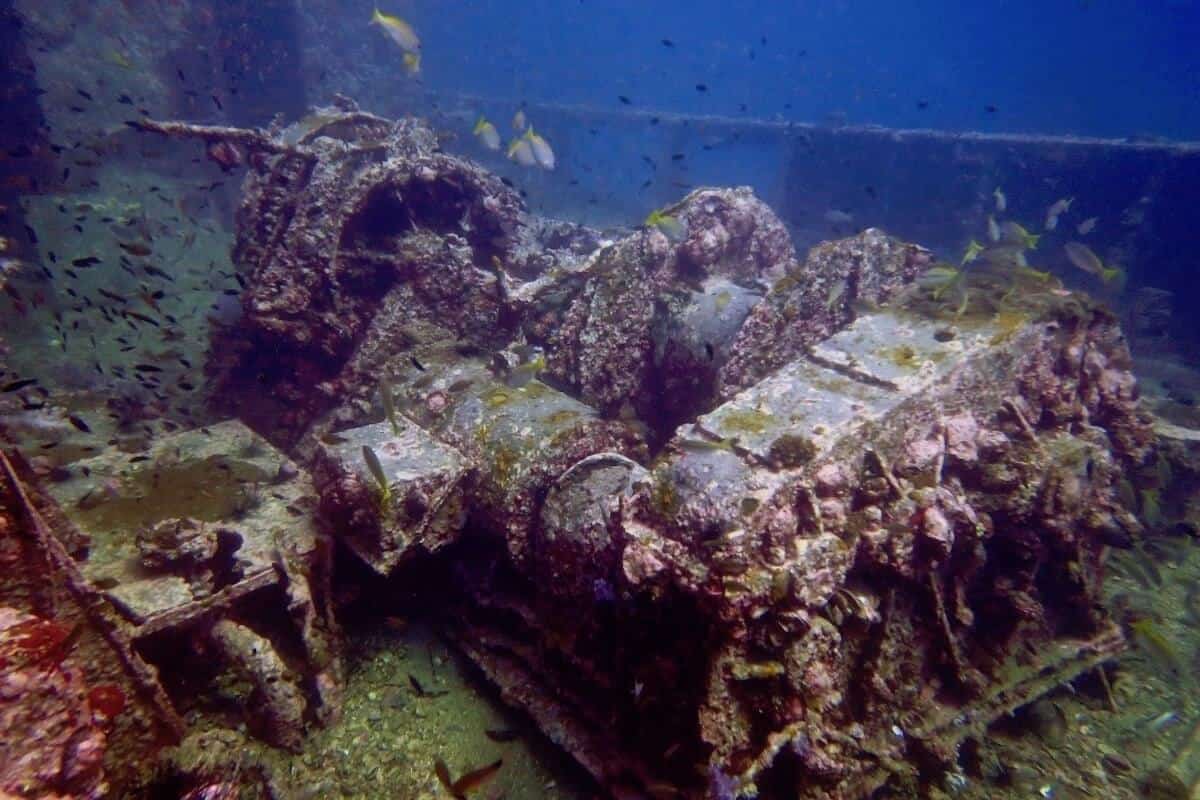
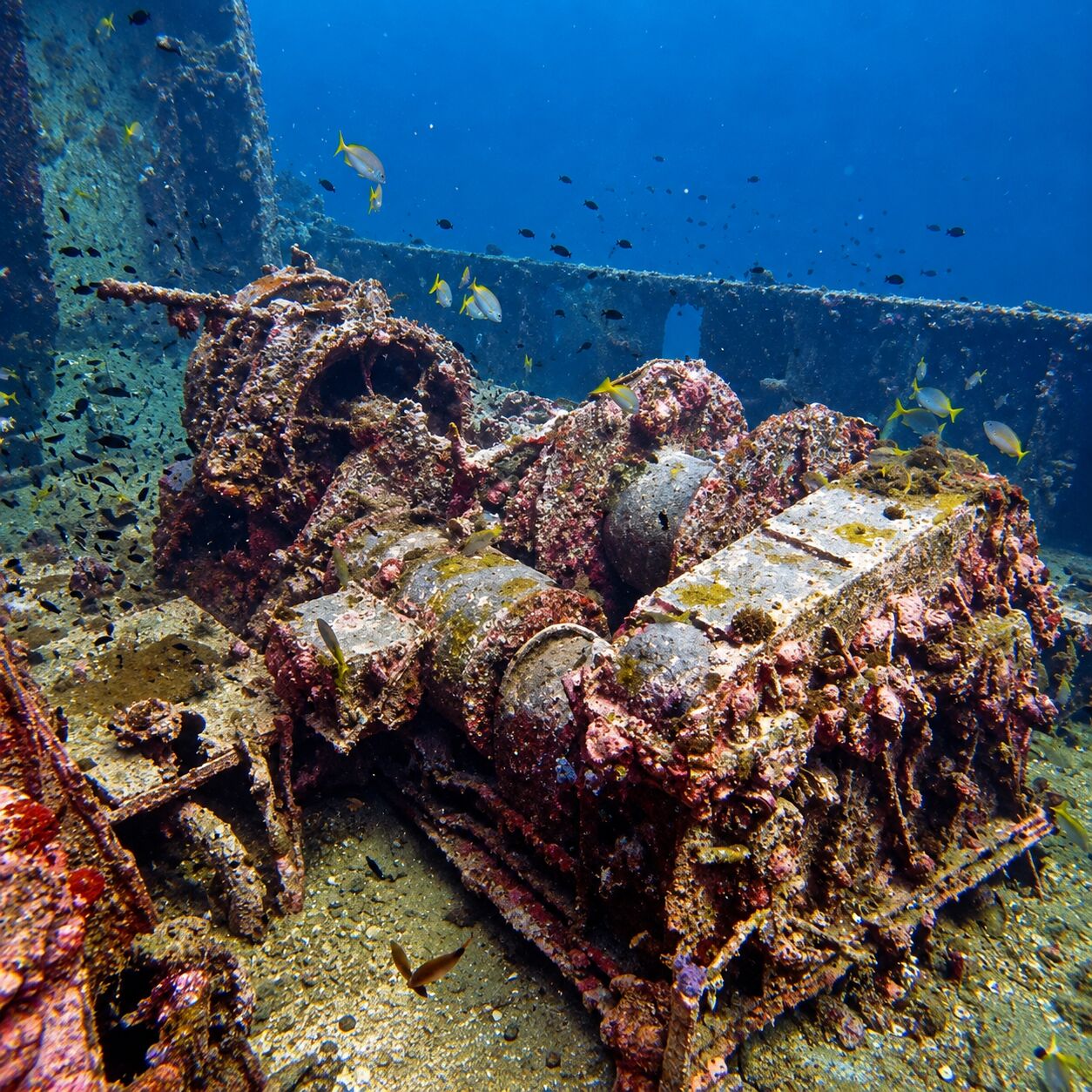
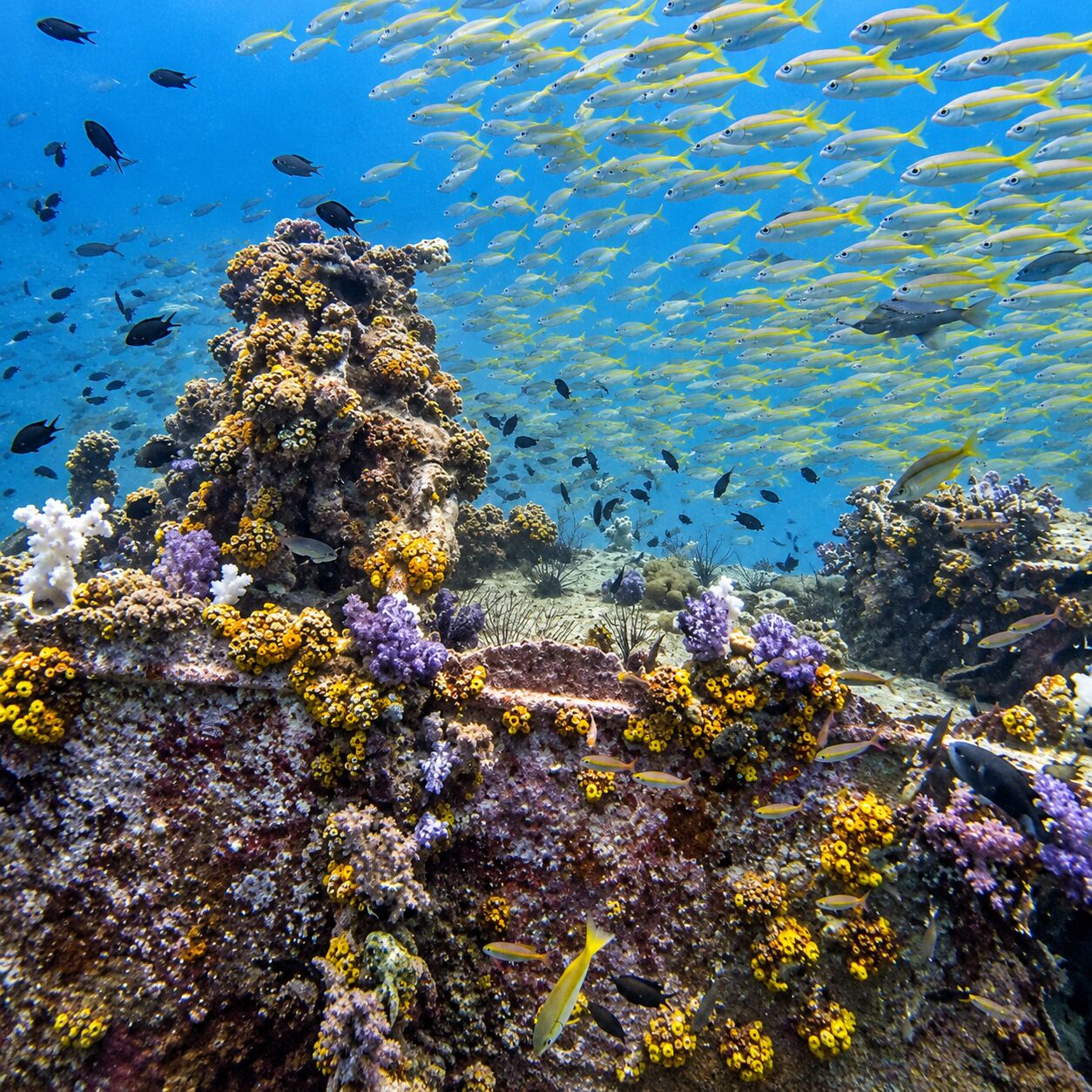
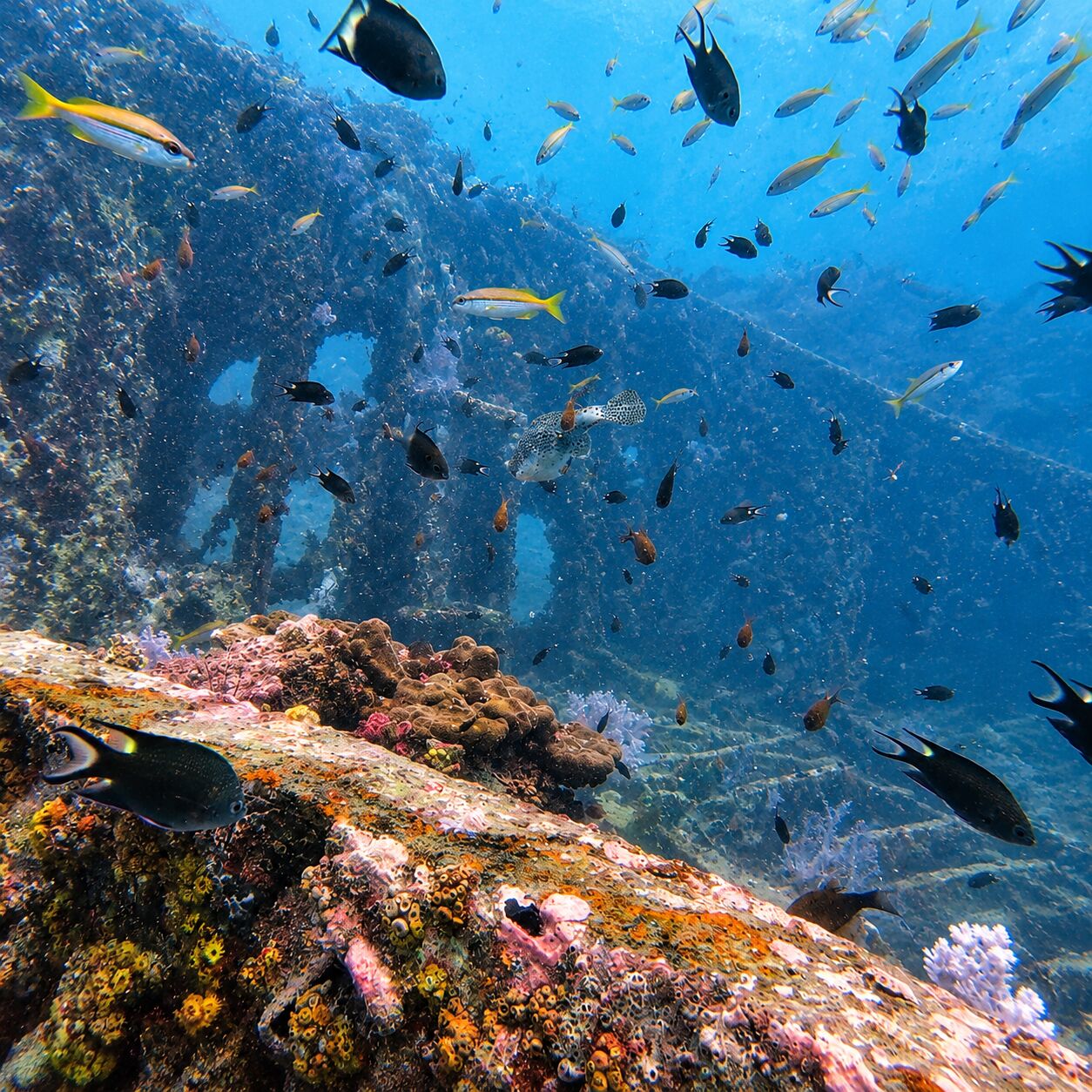
King Cruiser is an 85-metre passenger and car ferry that sank after hitting Anemone Reef on 4 May 1997. Everyone on board survived. Today the wreck sits between around 18 and 35 metres and has become an artificial reef packed with marine life.

After almost 30 years underwater, the wreck has deteriorated considerably and penetration is no longer safe.

How we dive King Cruiser

King Cruiser is for advanced or experienced divers. Visibility is often limited and currents can be strong. Good buoyancy control helps you stay close to the wreck, where there is more protection from the current. Watch your computer as closely as your air—at these depths, no-decompression time can disappear surprisingly quickly.

King Cruiser sits exposed in open water. Rough surface conditions can make getting back on the boat unsafe. For that reason, we only dive King Cruiser when the current, sea conditions and diver experience all line up.
Look out for…

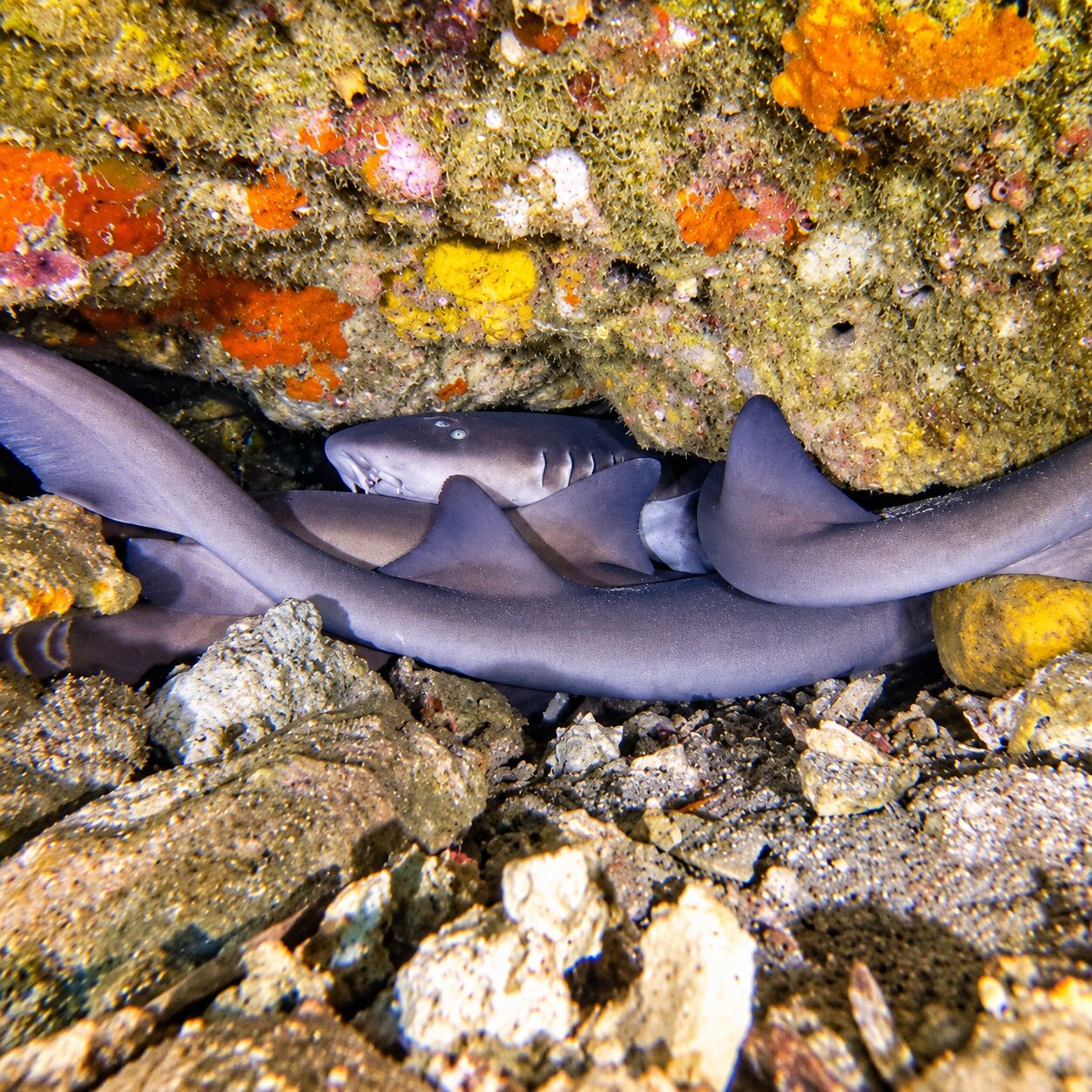
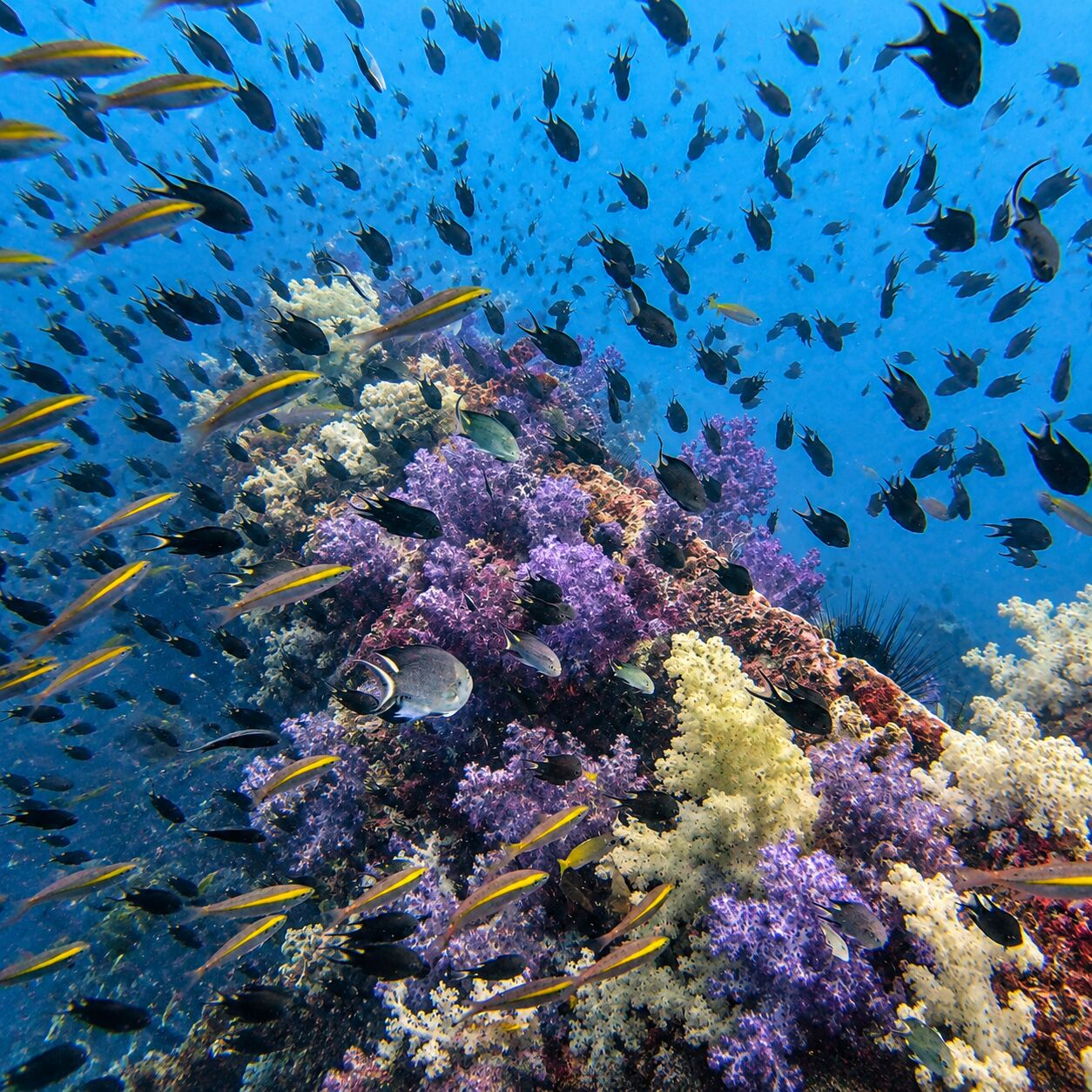
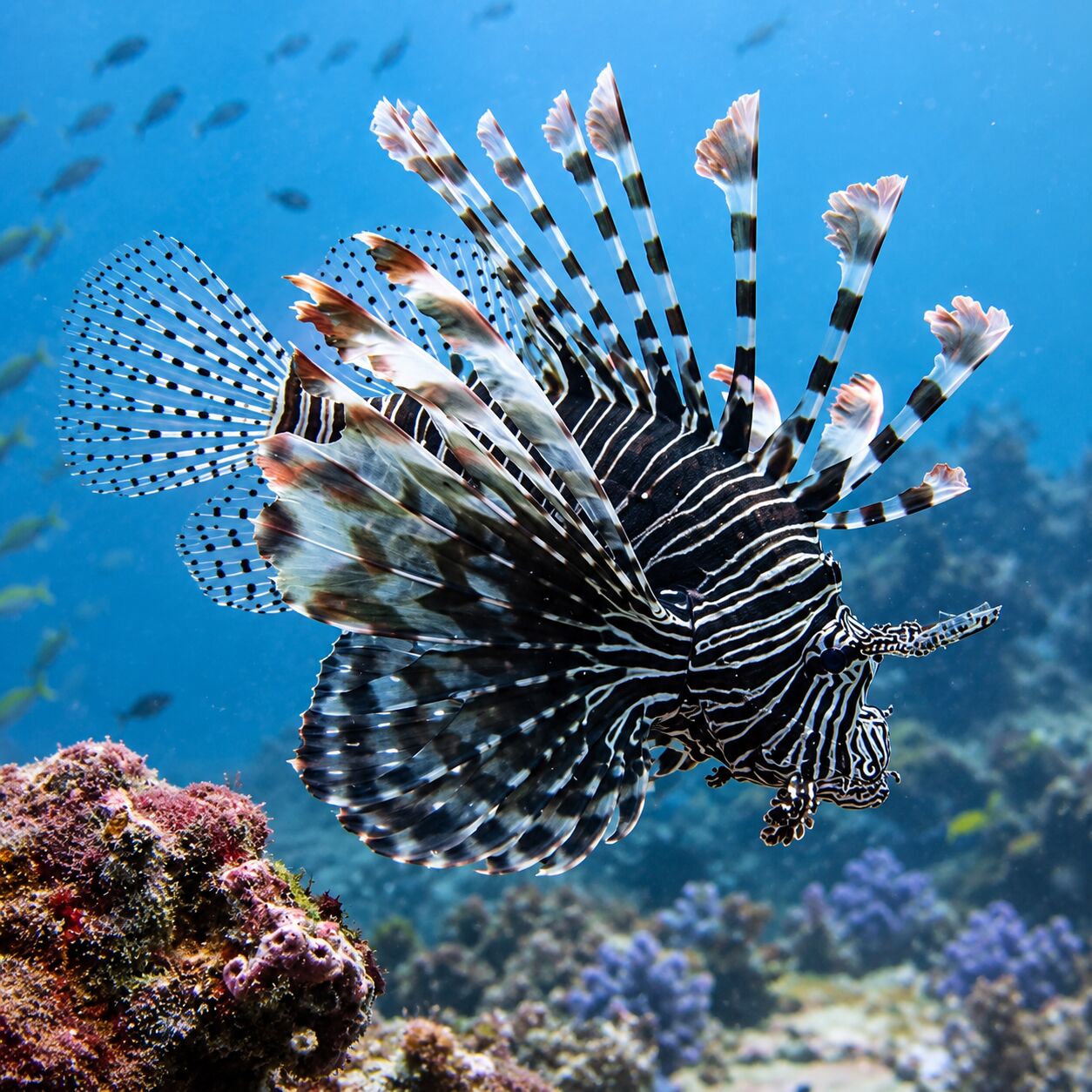
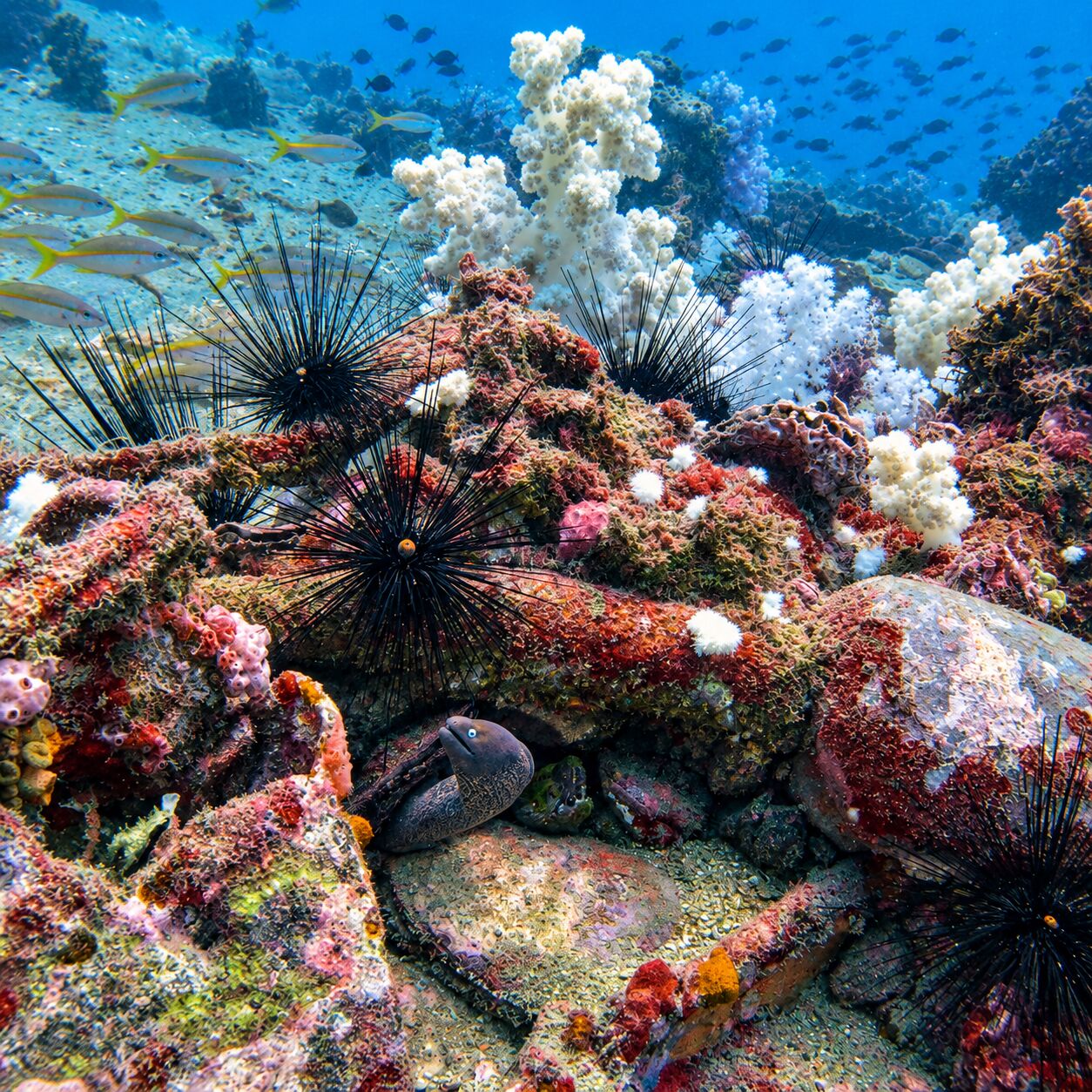
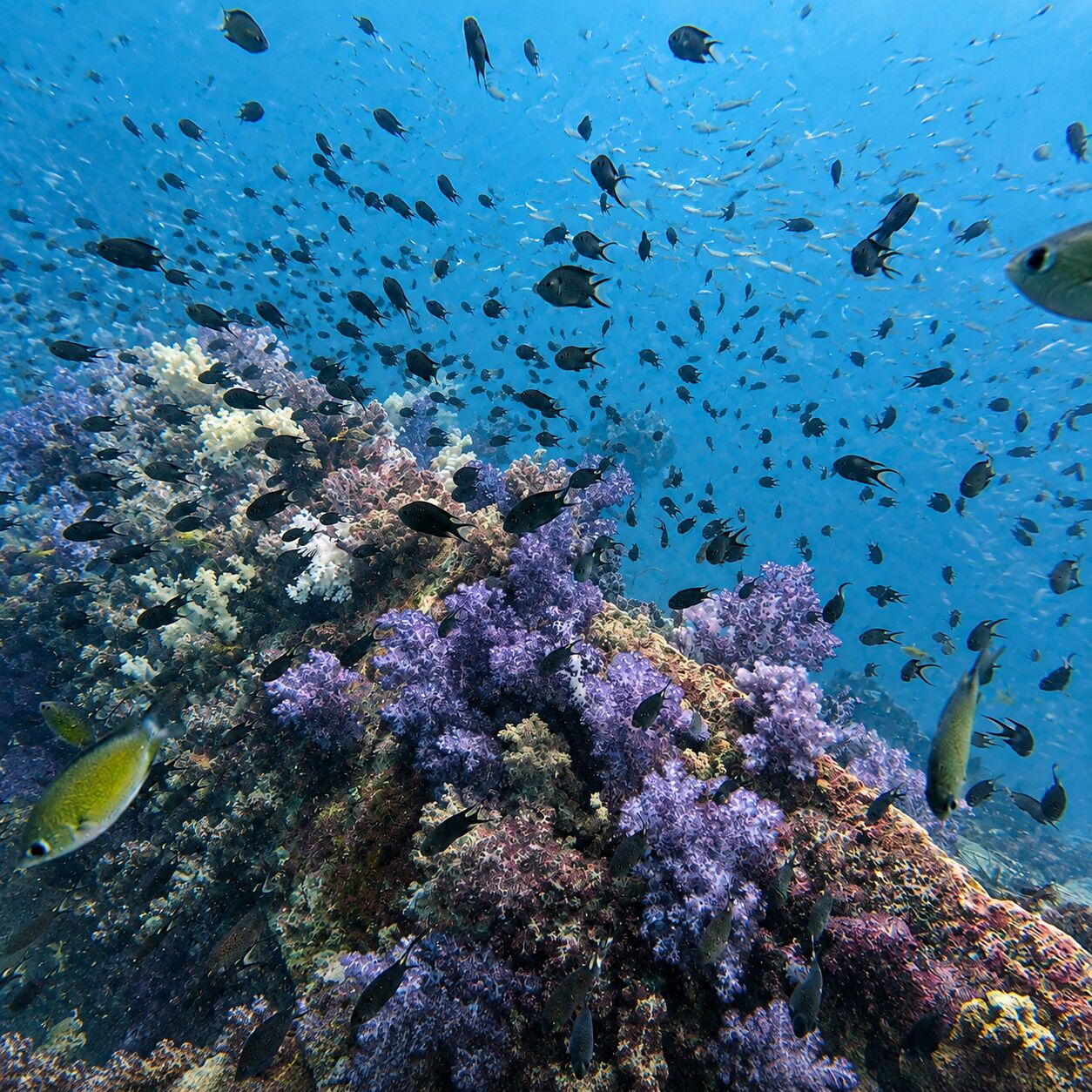
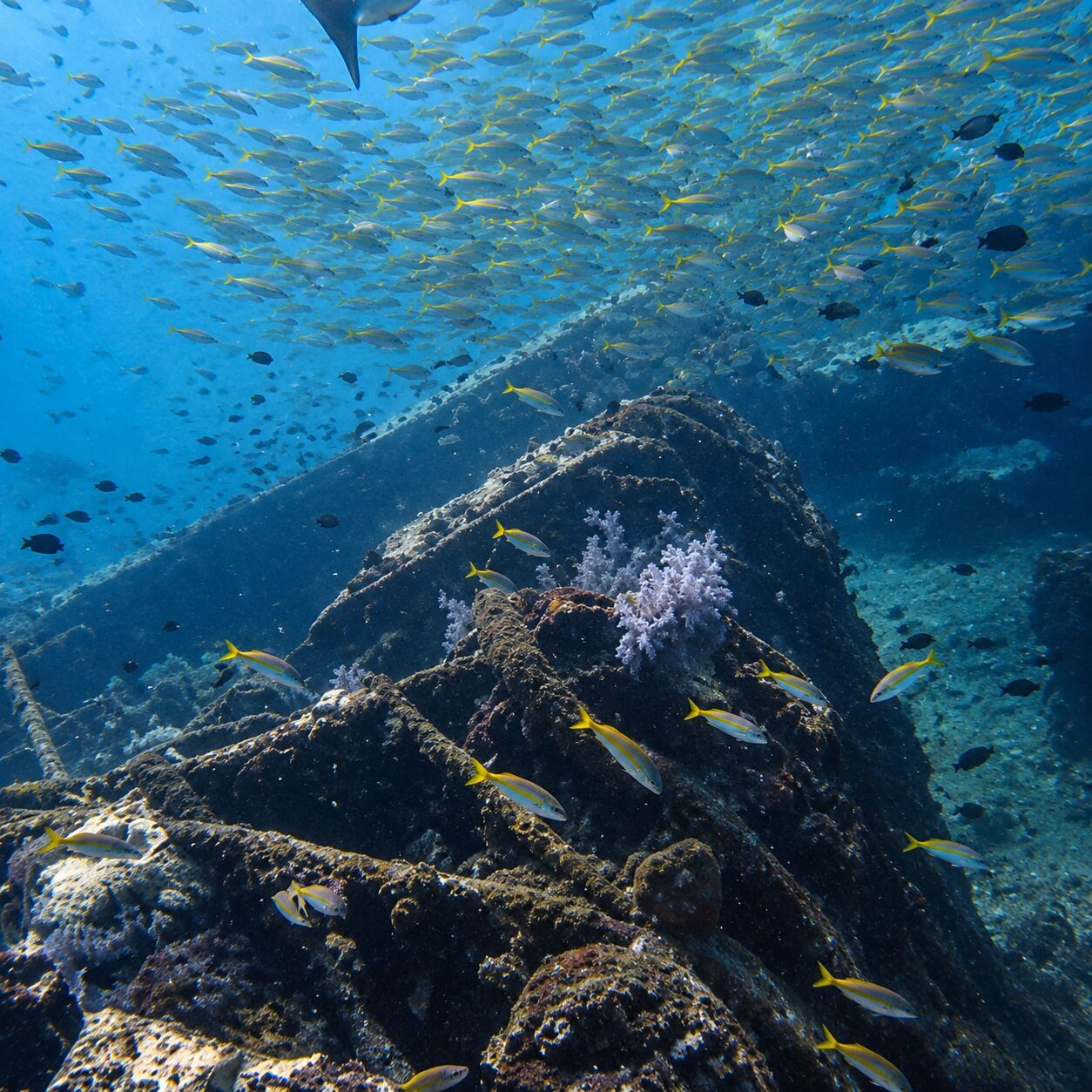
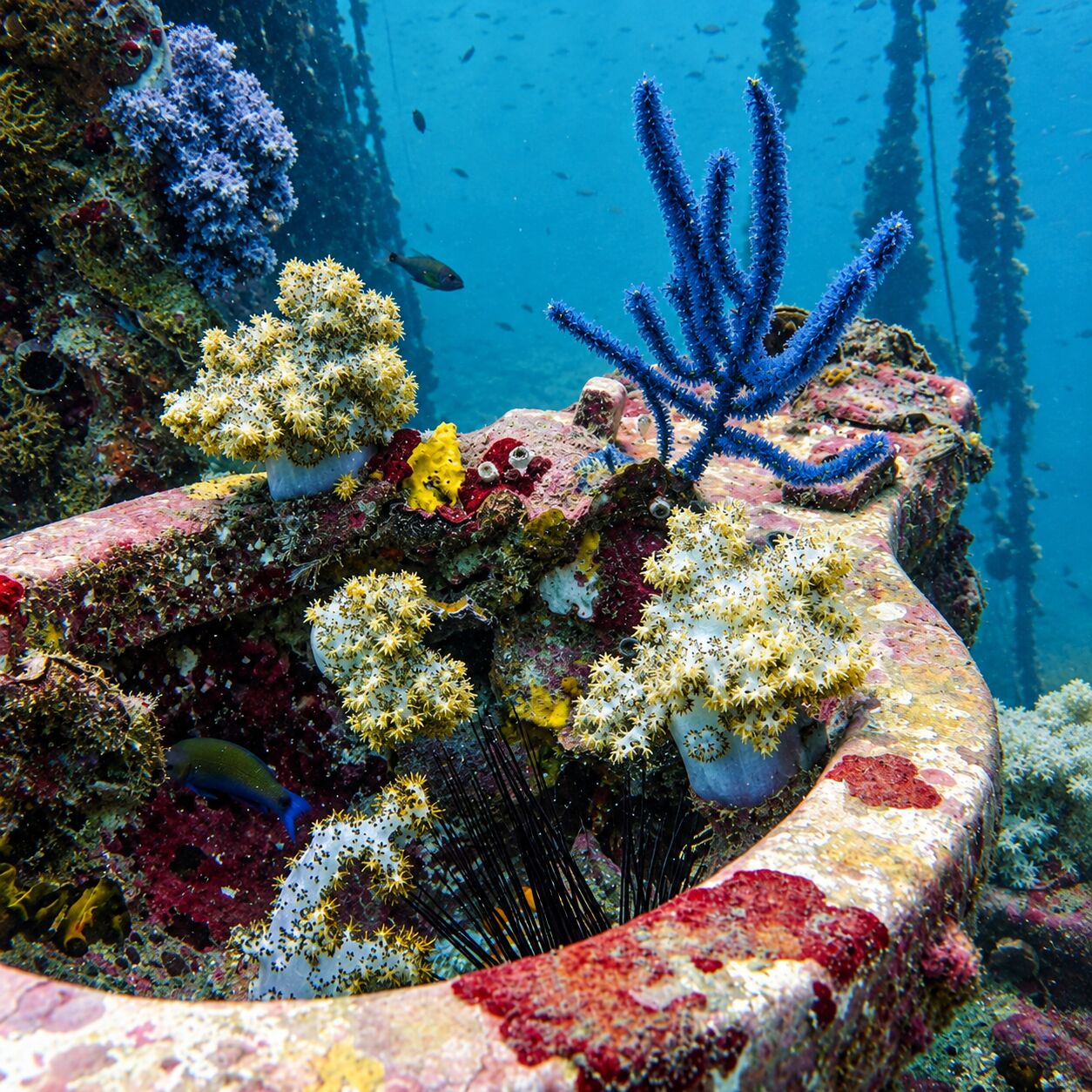
What really stands out at King Cruiser is the amount of fish. Huge schools of snapper, fusiliers, damselfish and rabbitfish surround the wreck, often with jacks, trevallies, mackerel and tuna hunting around them. The top of the wreck is now covered in beautiful white and purple soft corals, with moray eels, lionfish, scorpionfish and nudibranchs hiding among the corals.

How we dive it

  • Step 1
    Briefing on deck Your guide walks through the wreck layout, the planned route, depths, times and hand signals before anyone gears up.
  • Step 2
    Giant stride entry A single step off the dive deck, a quick check at the surface, then we regroup on the line.
  • Step 3
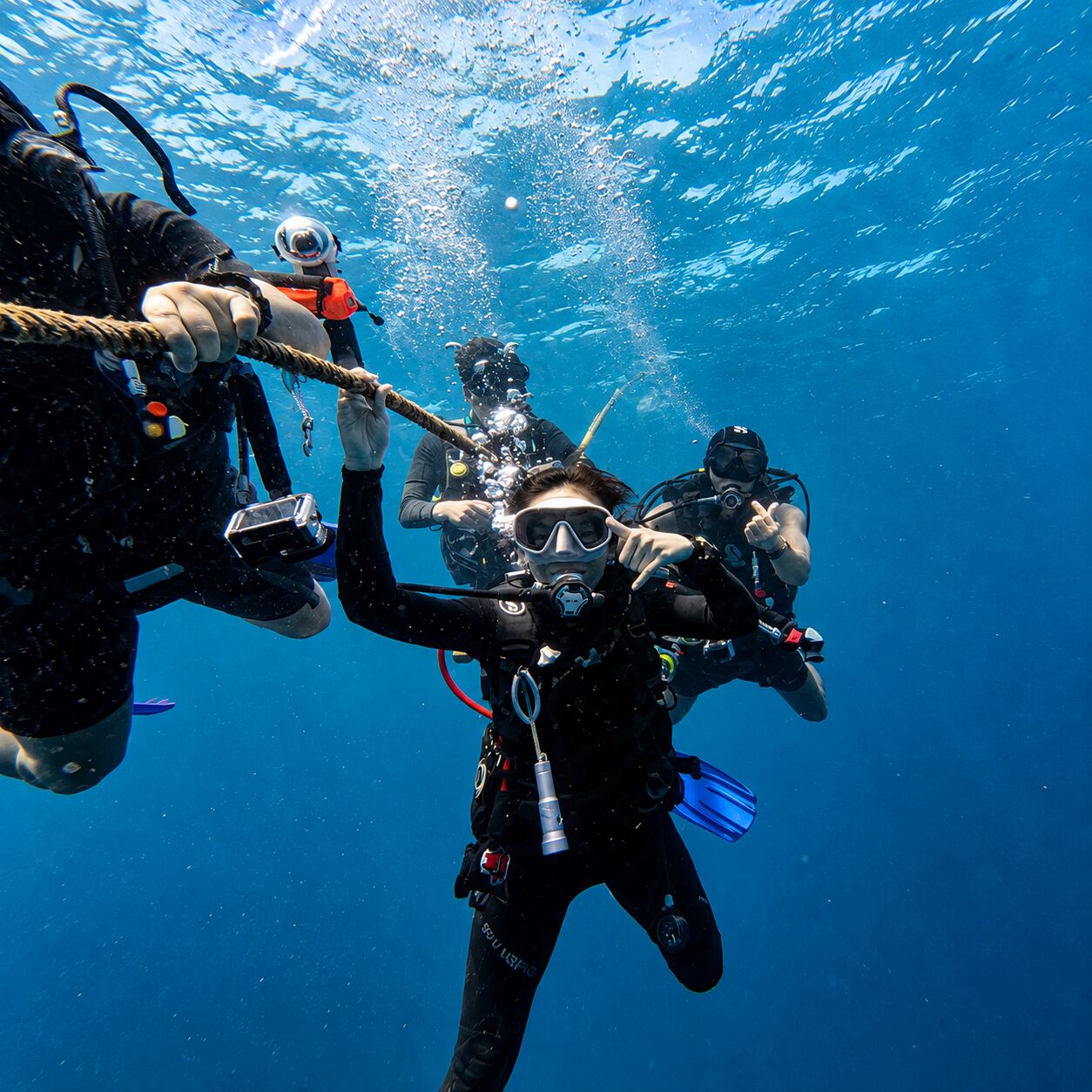
    Descent along the line We drop together down the mooring line, equalising as we go, until the shape of the wreck appears below.
  • Step 4
    Explore the wreck We follow the hull and superstructure, staying in the current shadow and watching the schooling fish. Watch your air and no-decompression time as you go.
  • Step 5
    Safety stop At 70 bar or three minutes to your no-decompression limit, we start ascending on the line to our safety stop at five metres before surfacing.
  • Step 6
    Back on deck An easy exit up the ladder, warm towels and a debrief over a drink before the next dive.

A peek below the surface

King Cruiser caught your eye?

Tell us your dates and we’ll take it from there.

Chat with us